Ethnic & Tribal Jewellery
Traditional necklaces, bracelets, bangles, rings and amulets in silver, coral, turquoise, bronze and beads, from India, Nepal, Tibet, Morocco, Egypt and West and Central Africa.
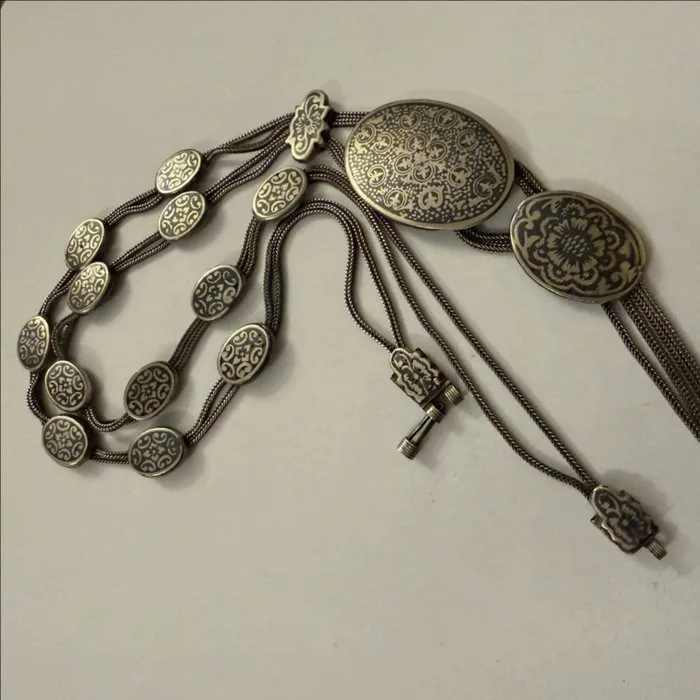
Silver alloy - Necklace - Late Ottoman Era Savat
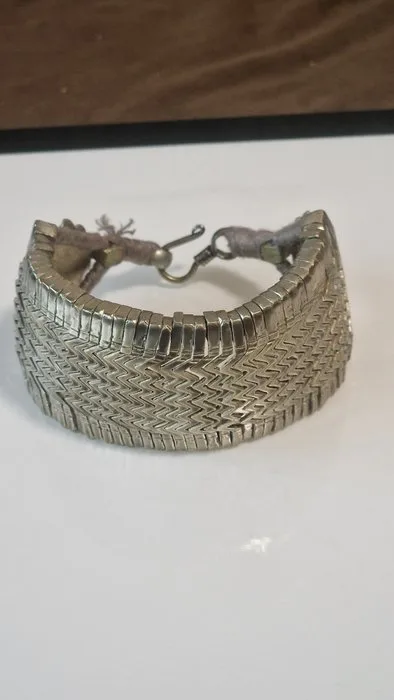
Silver - Bracelet - A traditional antique Indian upper-arm bracelet known as a Bazuband (Bajuband). - Rajasthan/Bihar
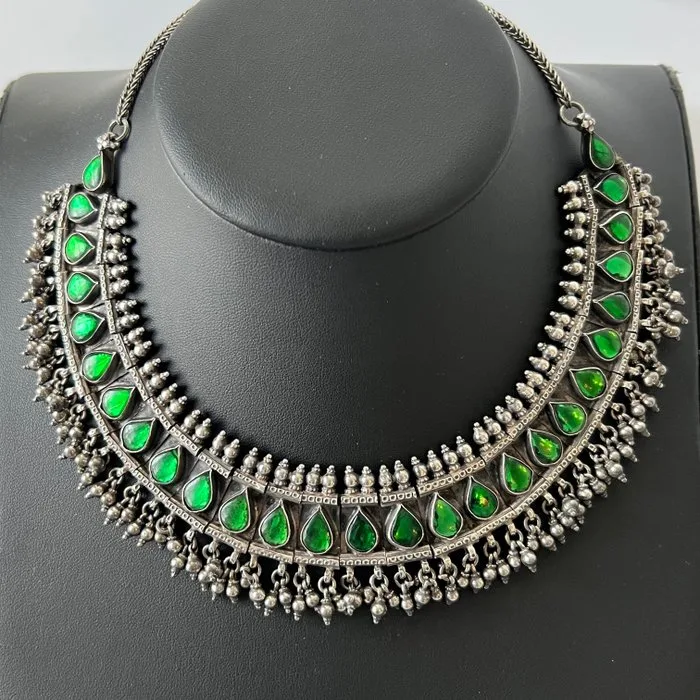
“Katesari” necklace from Uttar Pradesh - Silver - India - circa 1970
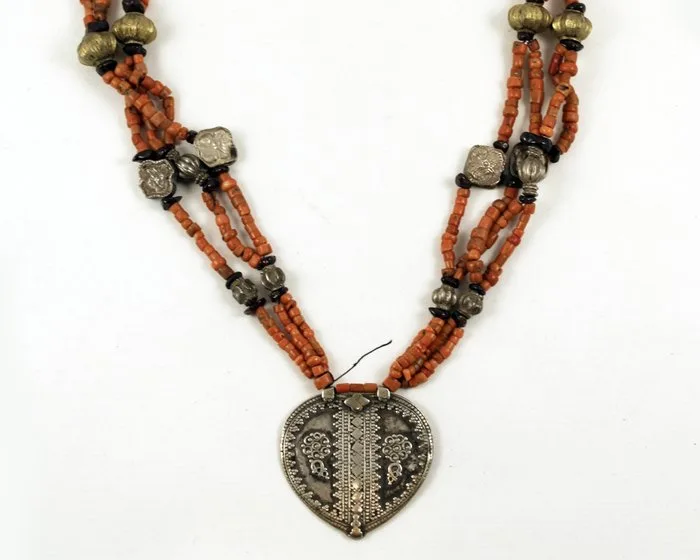
Necklace - Silver, Coral, Shell - Uzbekistan - First half 20th century
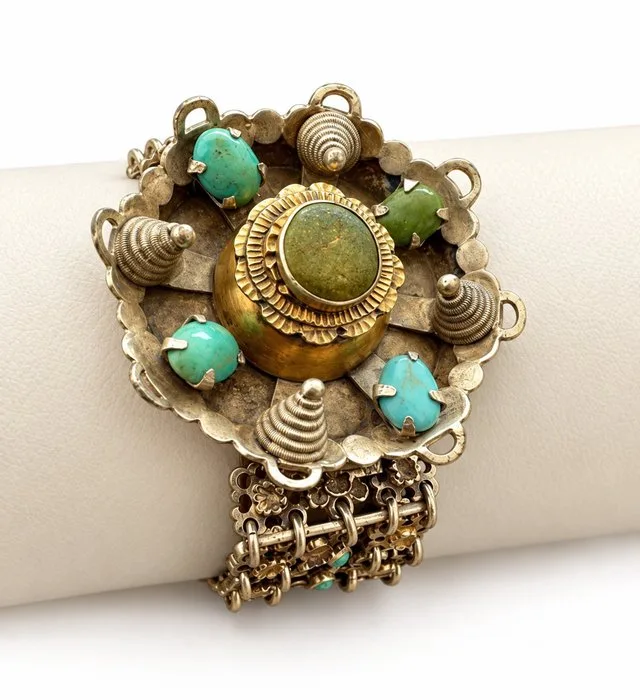
Bracelet with turquoise - Silver - mid 20th century or earlier
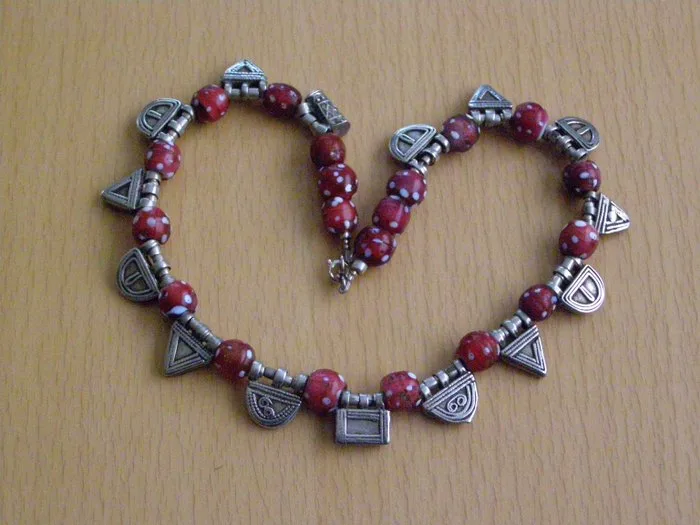
Silver - Necklace - Telsum silver and Murano
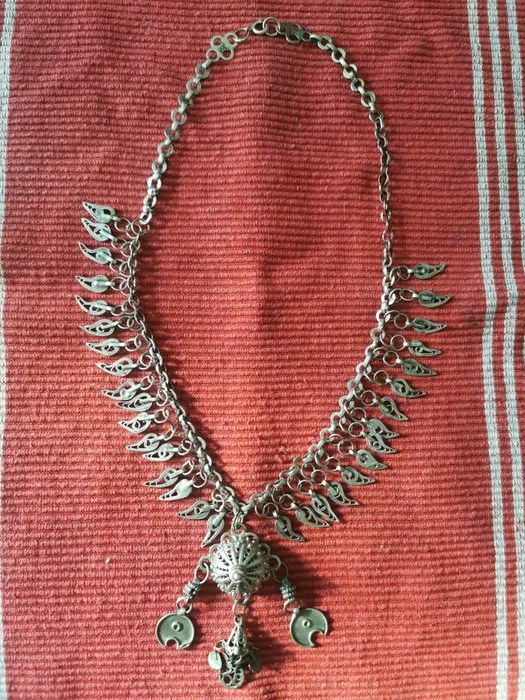
Superb Egyptian Talisman necklace in 800 silver - Cairo 1968 - 80.7 grams - Silver - Egypt - 20th century
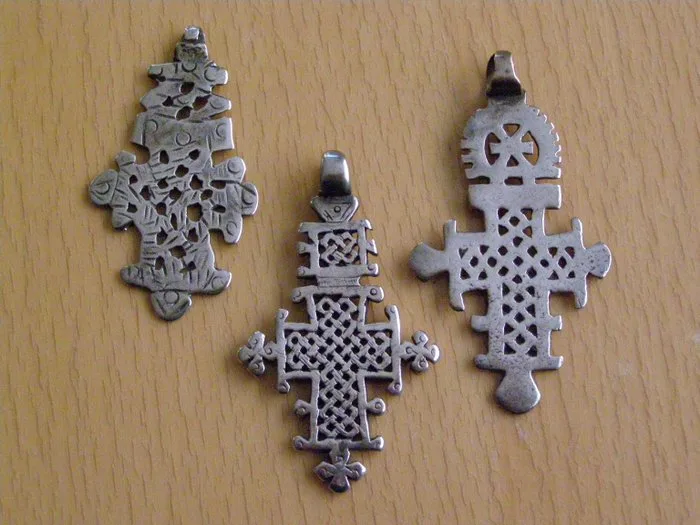
Coptic Ethiopian AXUM CROSSES or Cross Pendants - Silver-colored metal, or silver alloy, or silver. - Ethiopia - 20th century
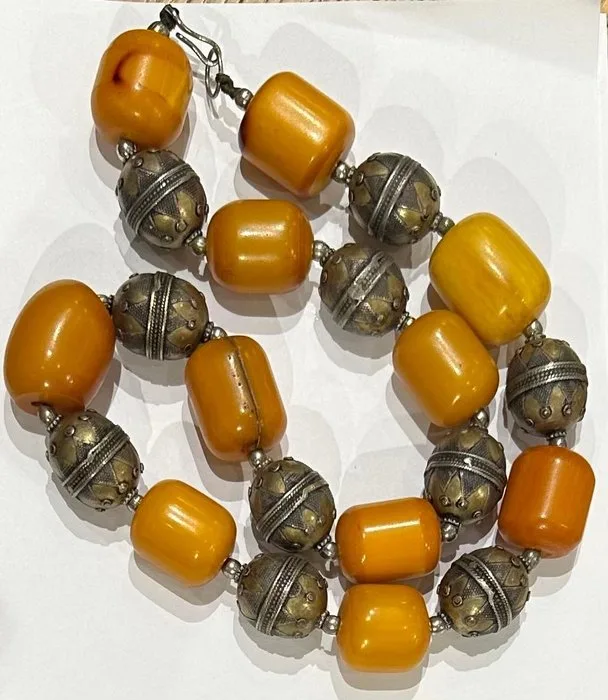
Necklace - Silvery Fire / Synthetic Amber - Central Asia - 20th century
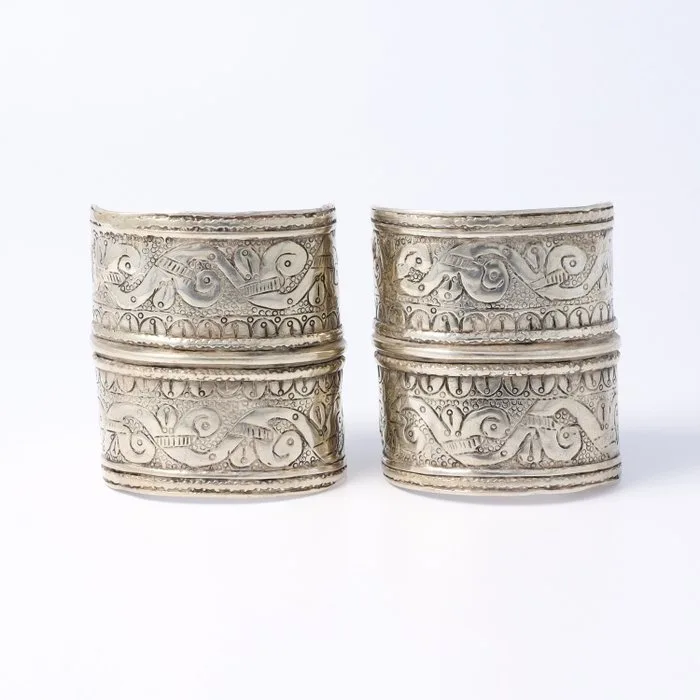
Turkmen bracelets -.900/1000 silver. Kada - Turkmenistan - 20th century
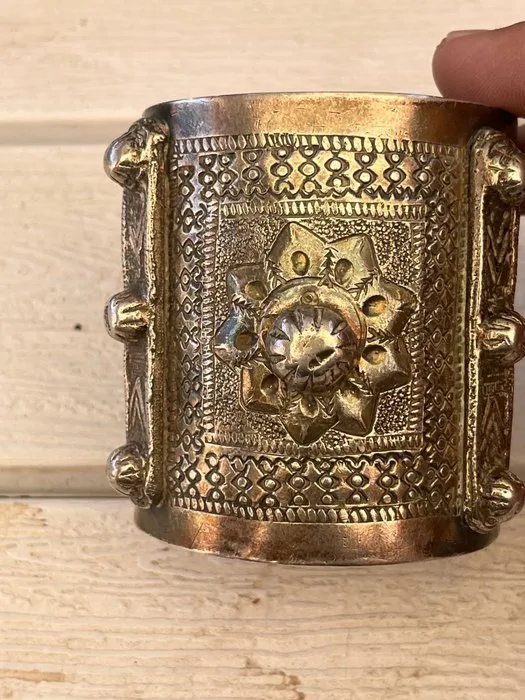
Bracelet - 205 g - Silver - Tunisia/Libya - 20th century
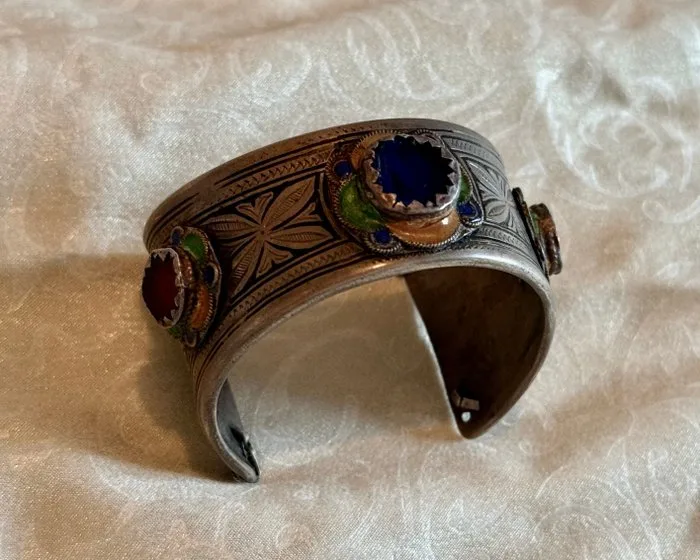
Antique silver cuff bracelet, Berber (Amazigh) - Silver - Morocco - Early 20th century
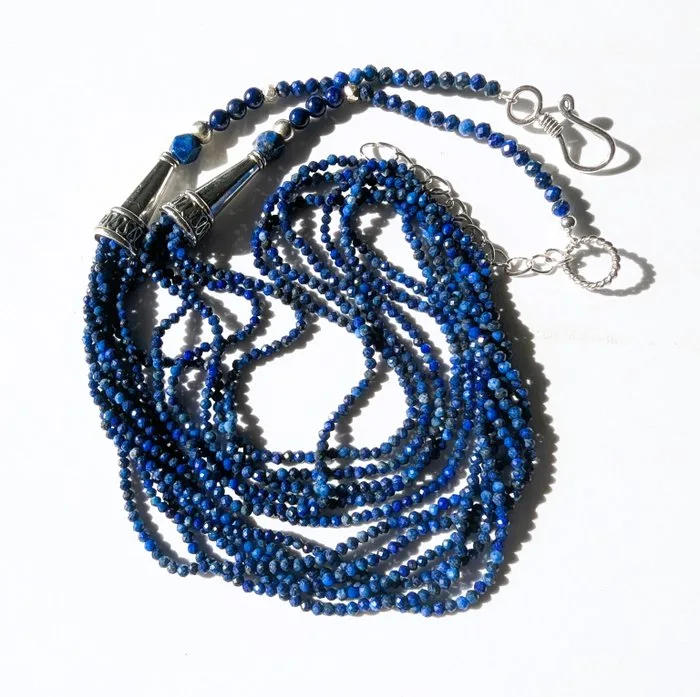
Lapis lazuli - Silver, Metal, lapis lazuli - Necklace - 6 ranks, India
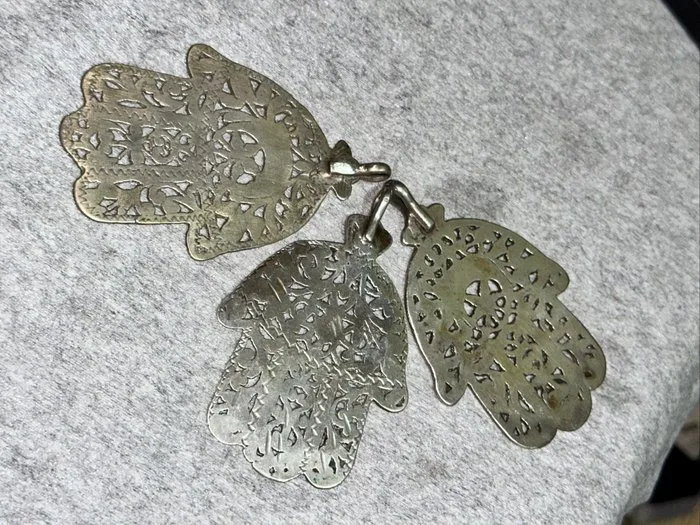
Three large Khamsa hand pendants - Silver - Tunisia - first half 20th century
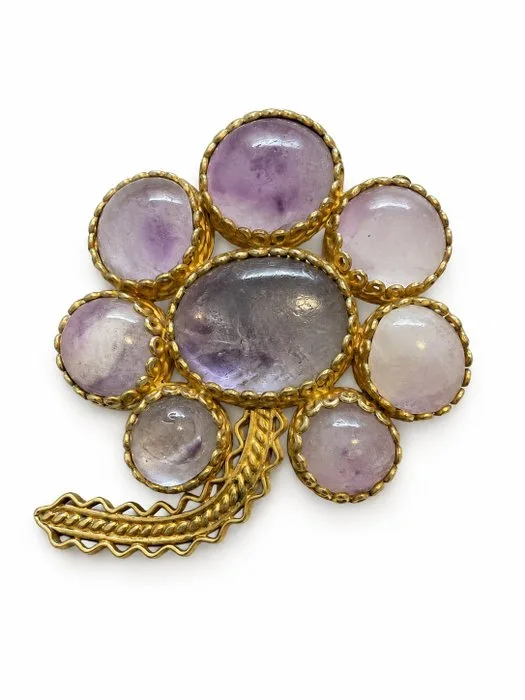
Silver - Brooch
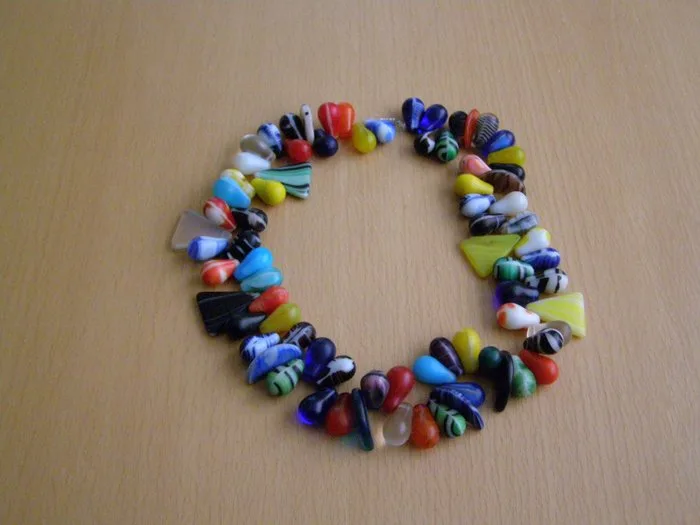
Glass Beads FULANI Bridal Beads - Necklace - Wedding Beads Fulani MALI
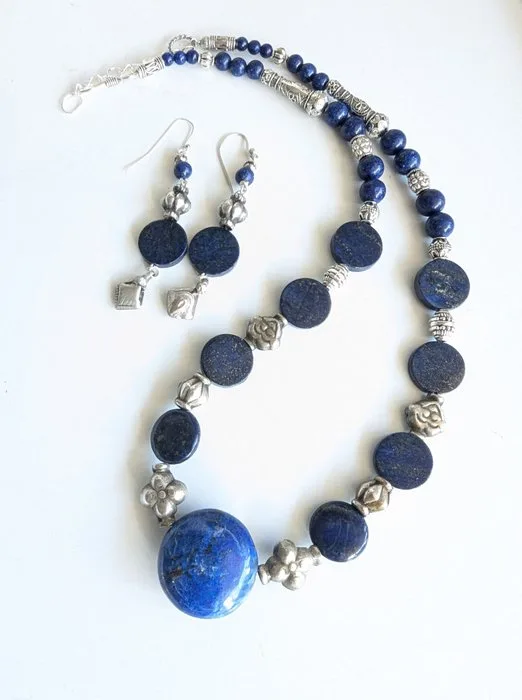
Silver, Metal, lapis lazuli - Parure - India
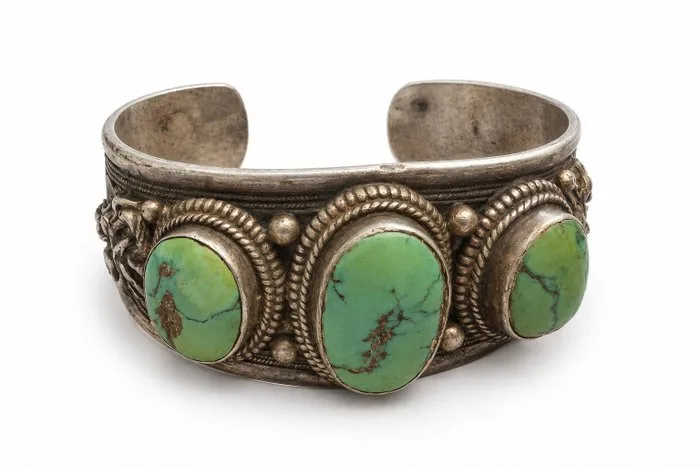
Vintage bracelet - Silver - Nepal
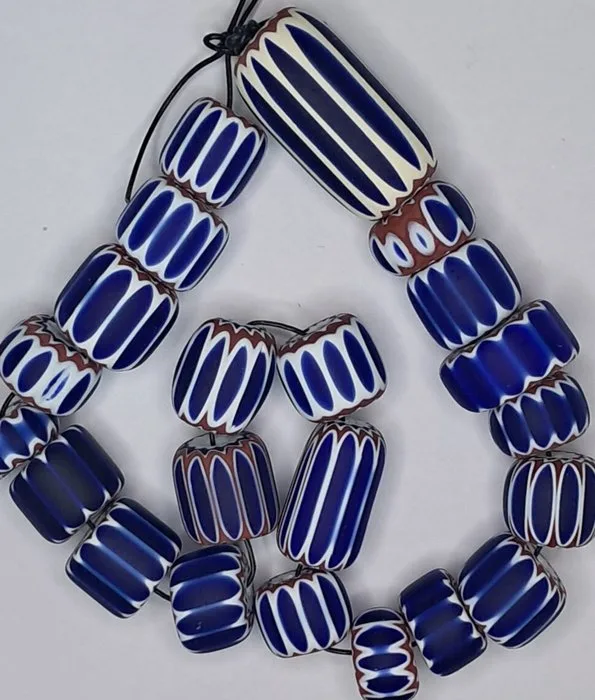
Chevron rosetta trade bead necklace - Glass - Murano Italy, West Africa - Early 20th century
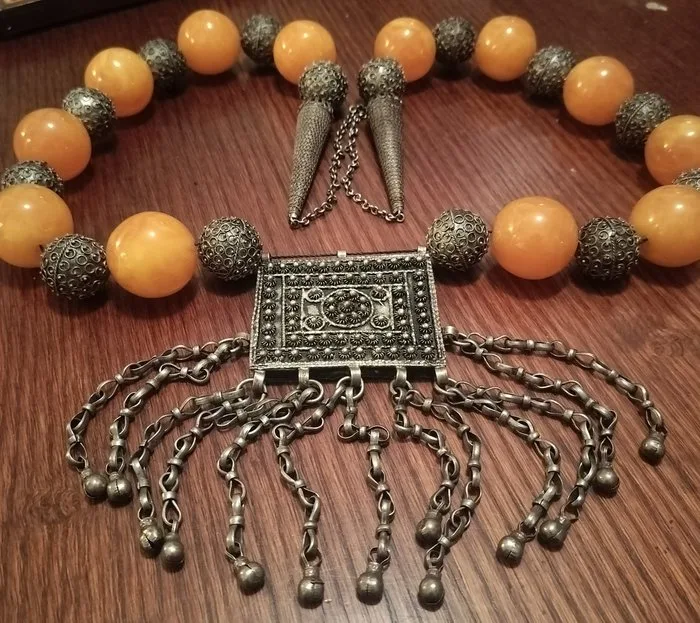
Huge yemeni necklace - Silver - Yemen - Early 20th century
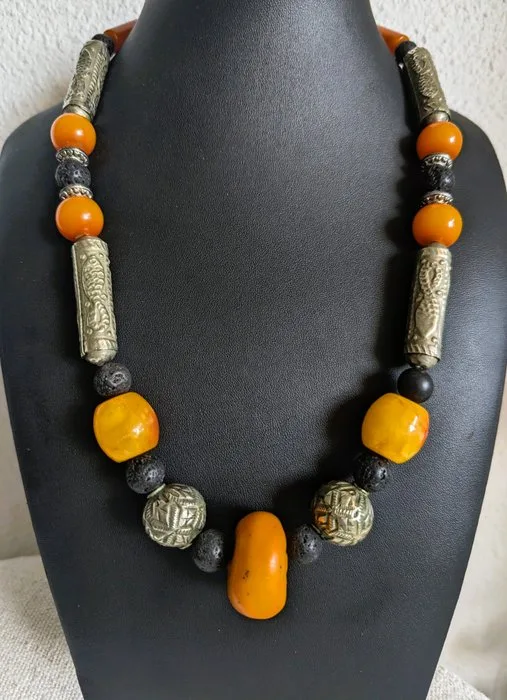
Silver, Metal, Resin - Necklace - Egypt
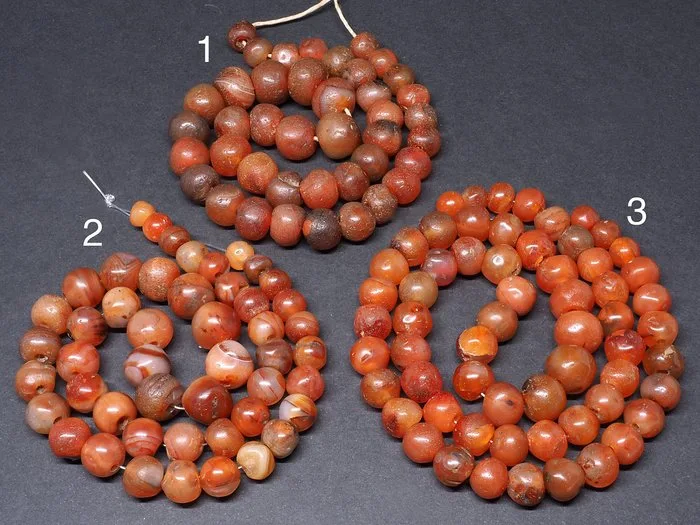
Strand of beads - Carnelian - Sahara-West Africa - Antique
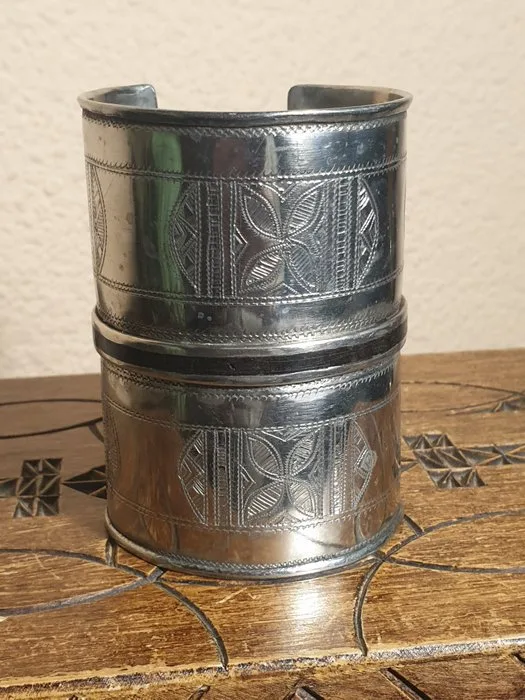
Vintage Berber bracelet - 100 g - Silver - North Africa - mid 20th century
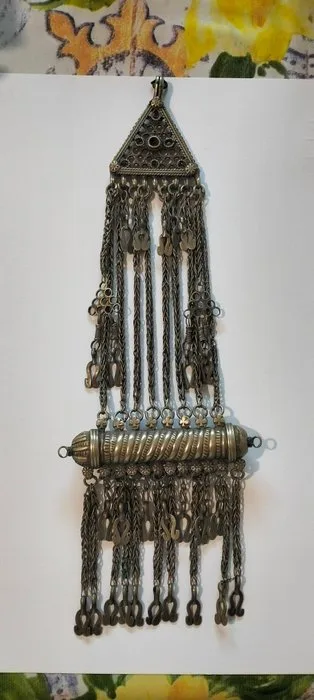
Bedouin amulet - Silver - Turkmenistan - 1900-1950
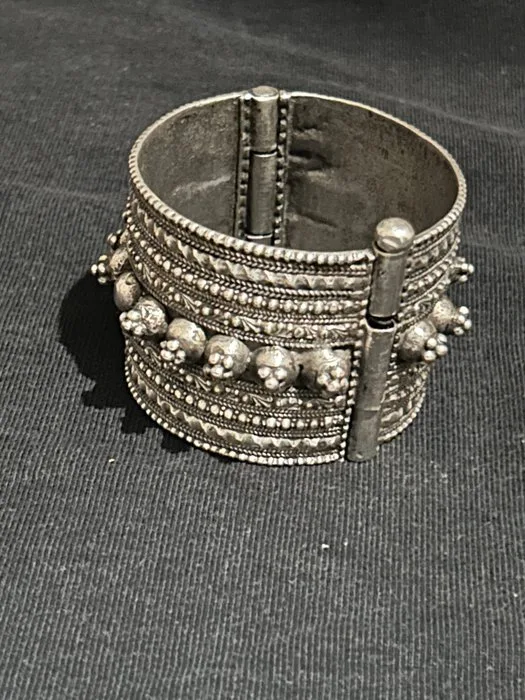
Bracelet - 113 g - Silver - Yemen - mid 20th century
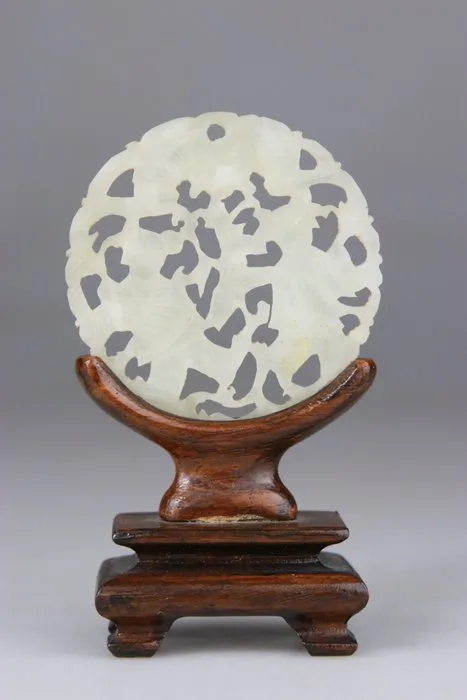
Plaque - White Nephrite Jade Pendant - Wooden Base - Jade, Nephrite jade - China - Late 19th or Early 20th century
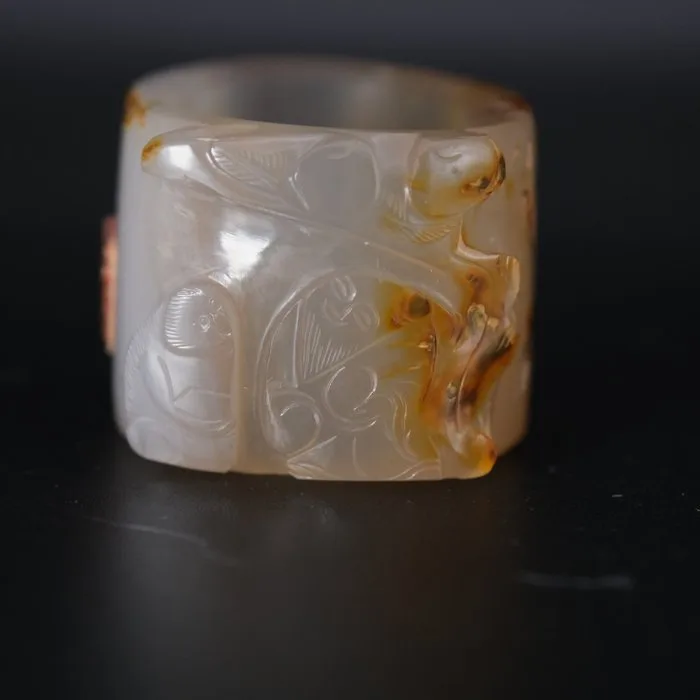
Chinese Carved Agate Archer's Thumb Ring Relief Carved with Export Wax - Agate - China - 20th century
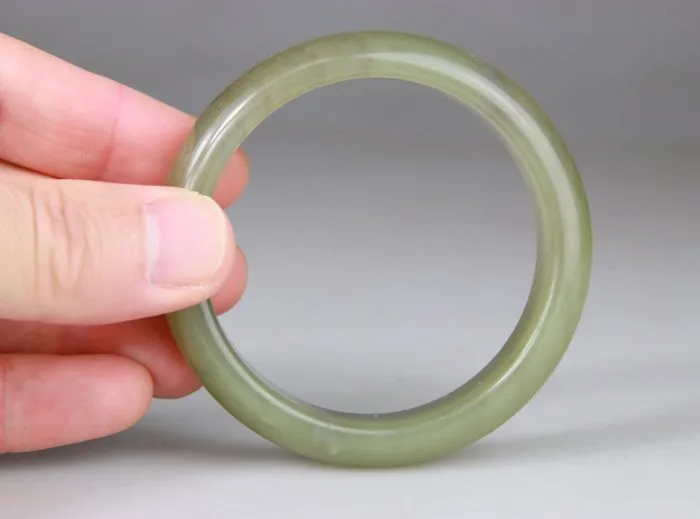
Chinese bracelet - Pale green color - Jade-carved stone (Untested) or Hard Stone - China - 20th century
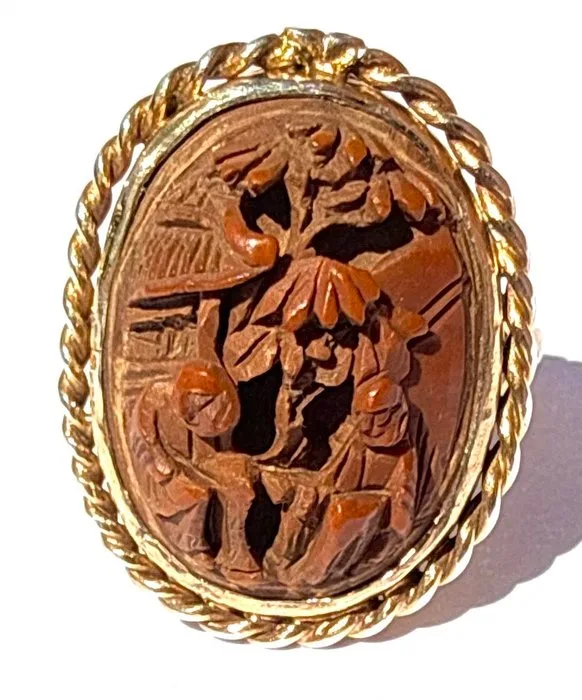
Ring - Yellow gold, Antique Hediao walnut shell micro carving, classical Shanshui (Landscape) scene - Qing Dynasty Hediao cameo
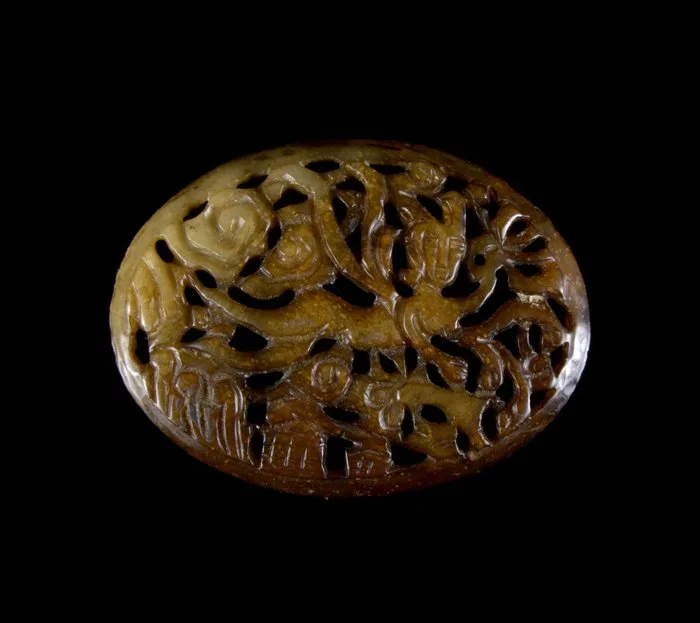
A Chinese oval openwork 'Mythical creature' amulet pendant - Brownish soapstone - China - Qing dynasty (大清)
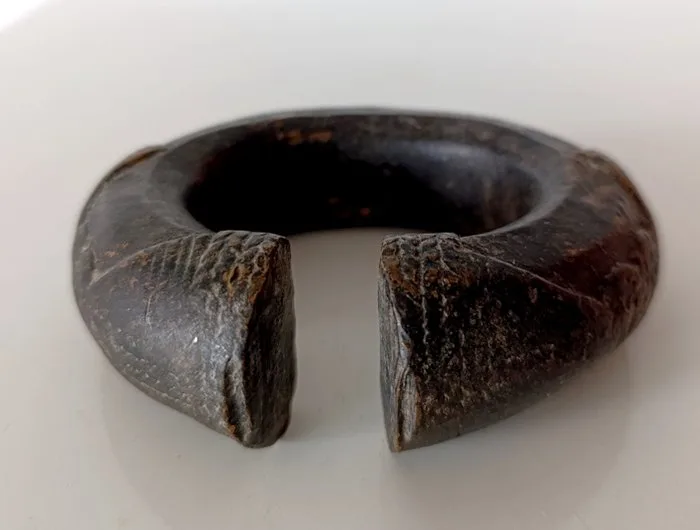
Exchange Currency / Prestige Bracelet - West Africa - 1.138 kg
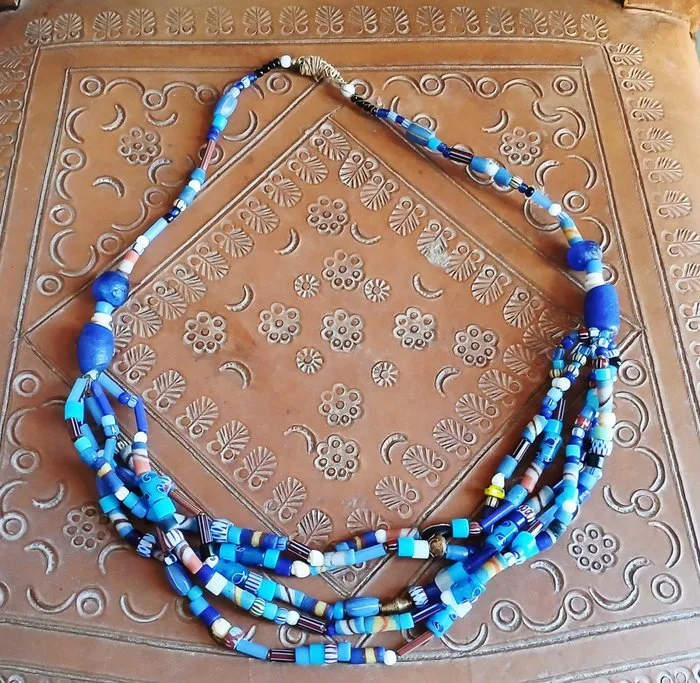
String of beads - Unknown - Millefiori Glass Bronze
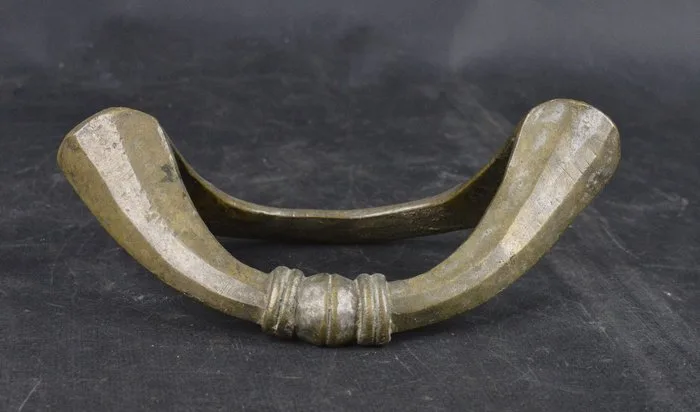
Bronze ankle bracelet - Baule - Côte d'Ivoire
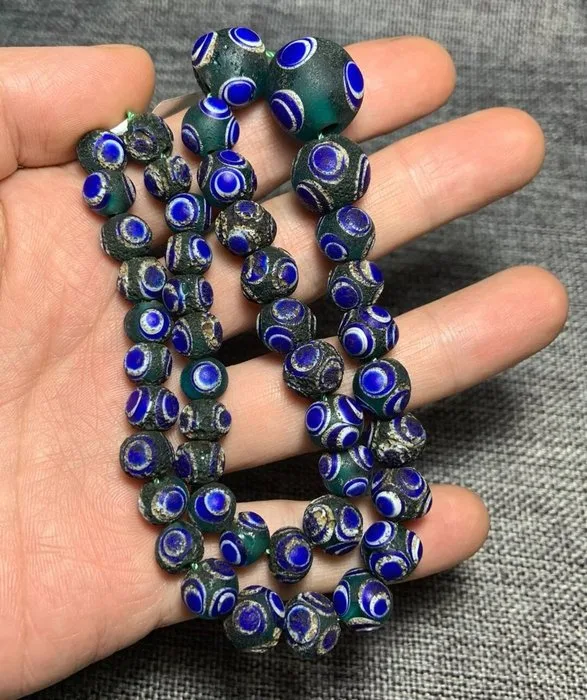
Necklace - African Trade Beads
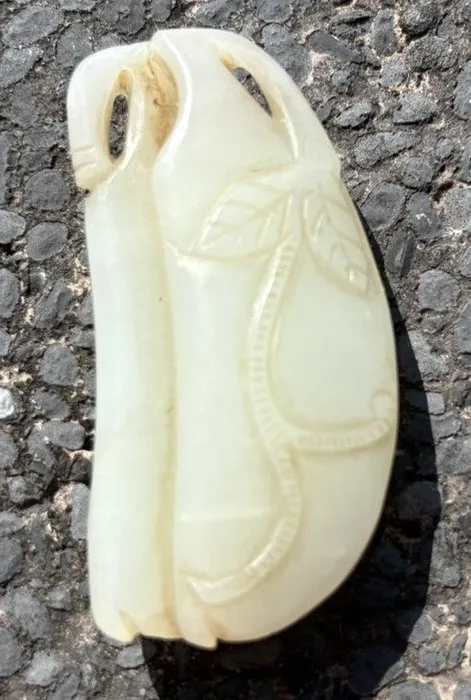
Finely Carved White Jade Double Melon Pendant with Leaf and Vine Motif - Qing to early Republic - Presumably Jade - China - Qing Dynasty (1644-1911)
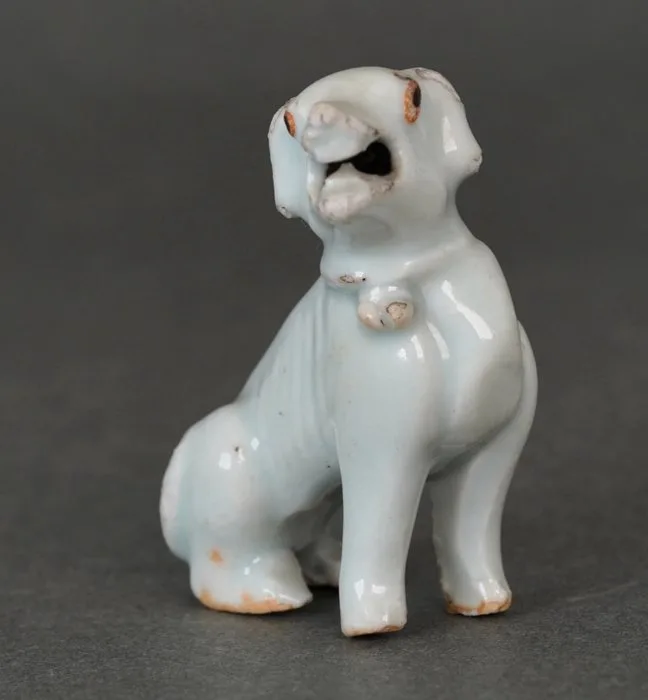
Qingbai Glazed - Seated Hound or Dog With Black Oxide Eyes and Open Mouth - Curled Tail and Collar - Porcelain - China - Yongzheng (1723-1735)
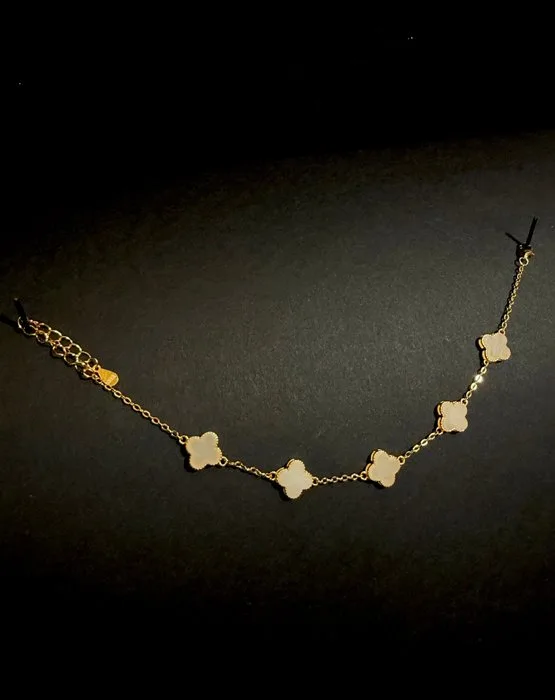
Bracelet - Jade, Silver - China - 21st century
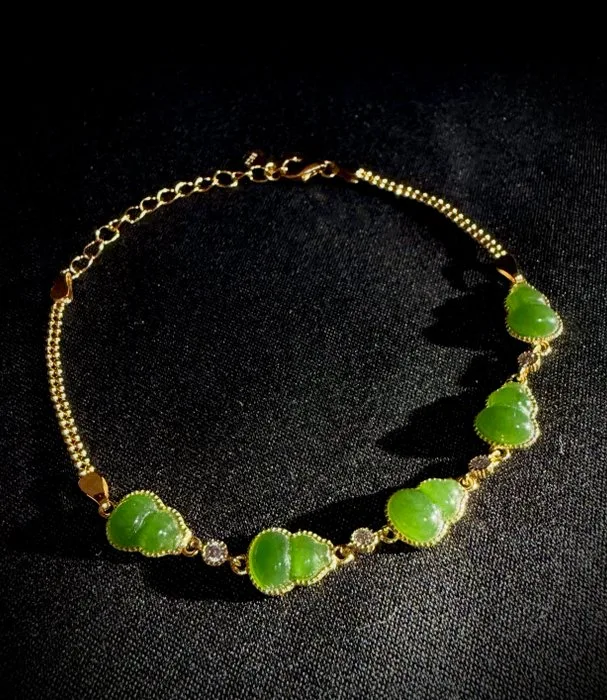
Bracelet - Jade, Silver - China - 21st century
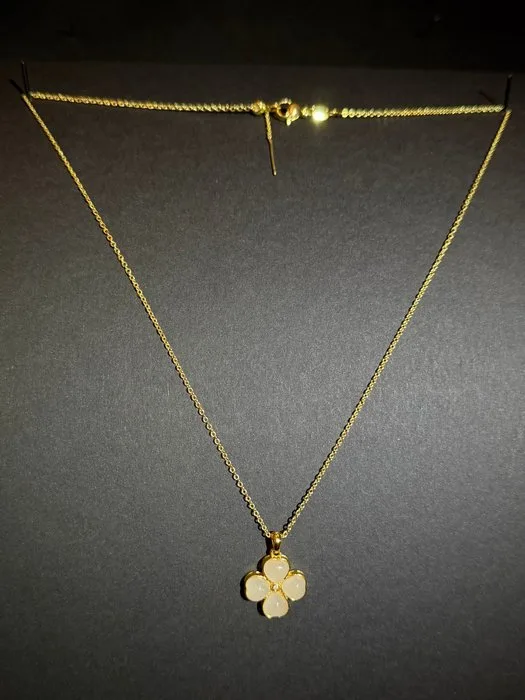
Necklace - Nephrite jade, Silver - China - 21st century
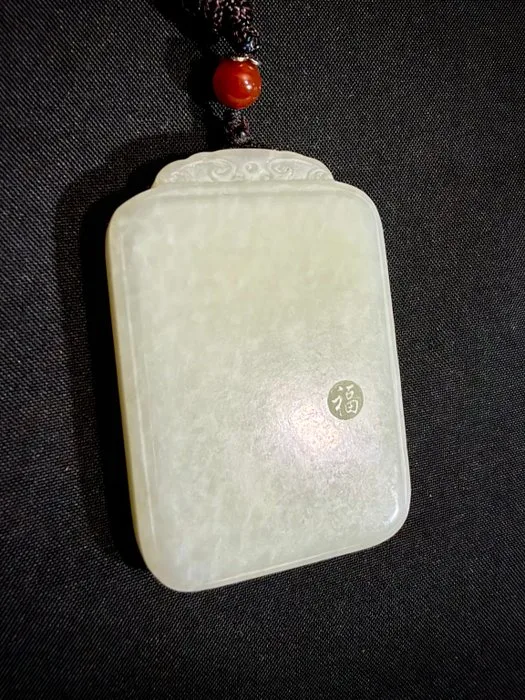
Pendant - Nephrite jade - China - Late 20th century
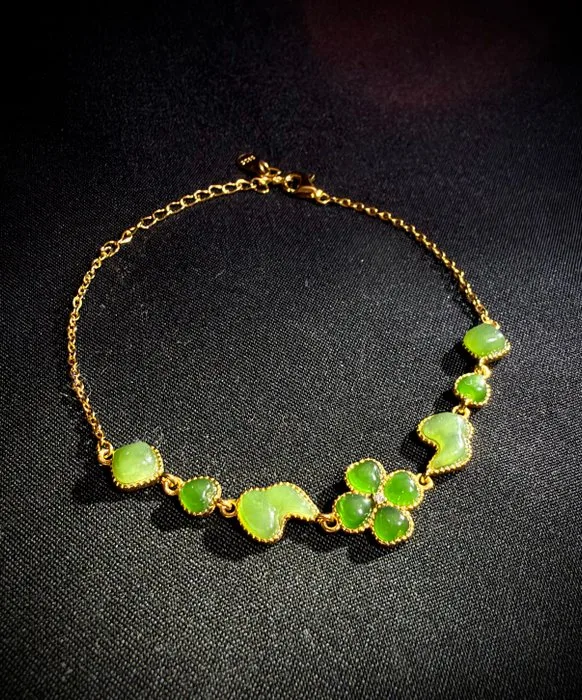
Bracelet - Jade, Silver - China - 21st century
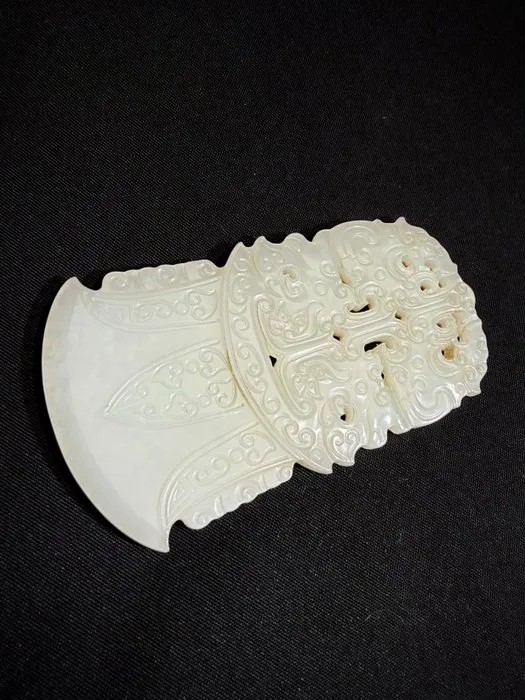
Pendant, Large size! - Nephrite jade - China - Late 20th century
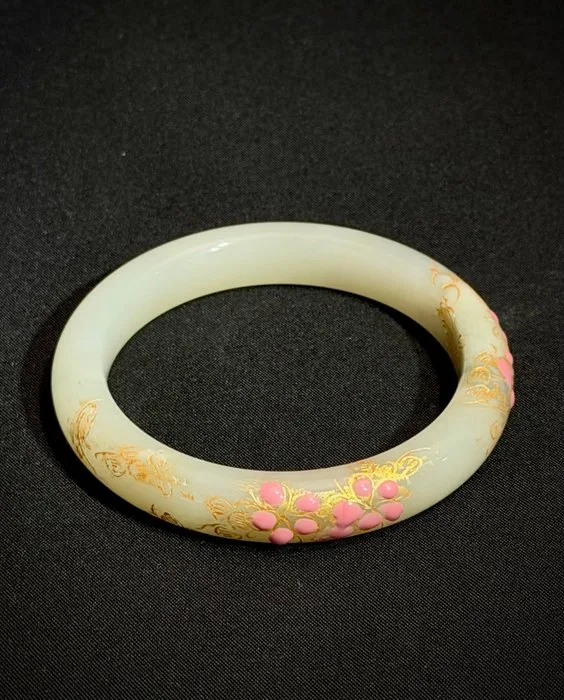
Bangle - hardstone - China - Late 20th century
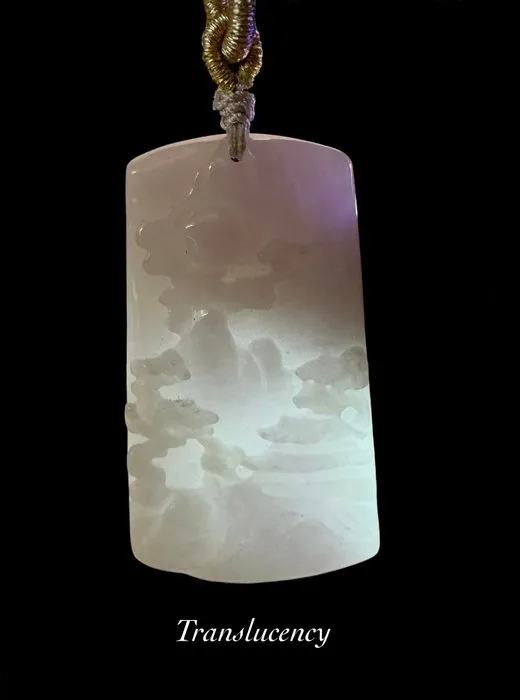
Pendant, Large size! - Jade - China - 21st century
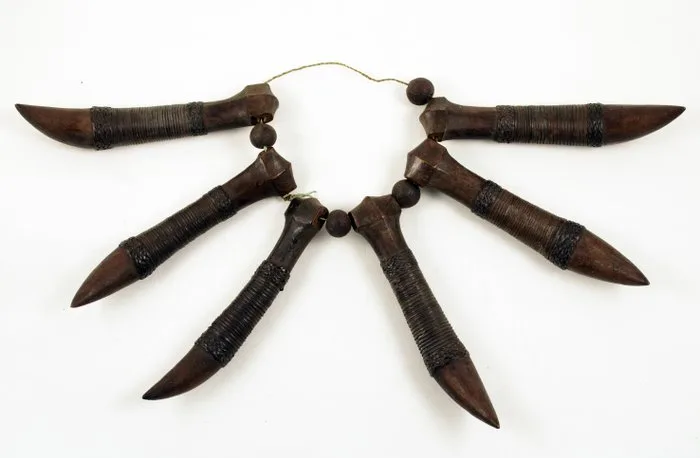
Necklace - Toraja - Indonesia
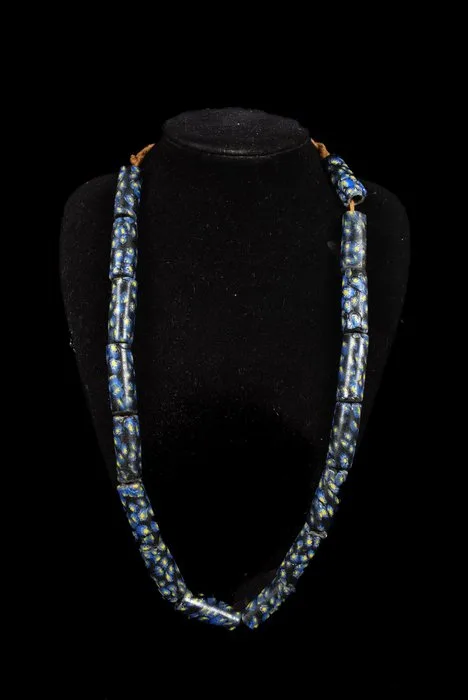
Milifiori necklace - West-Africa
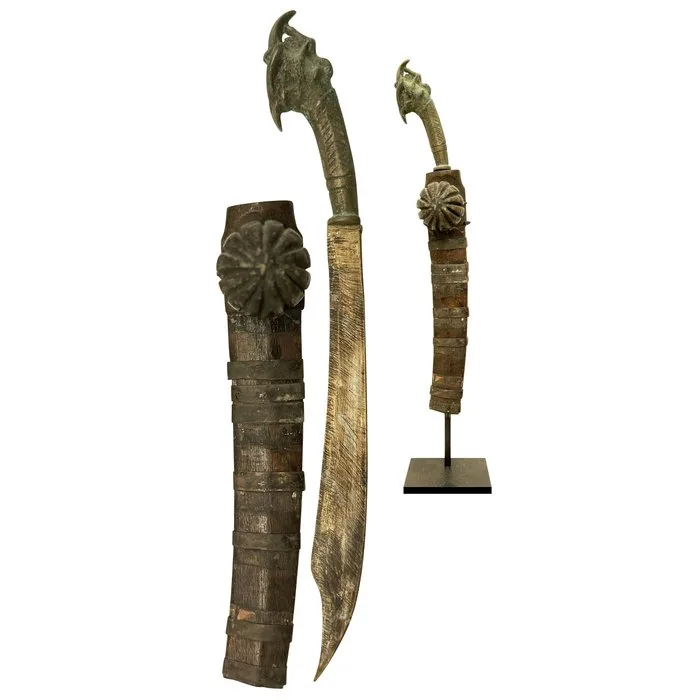
AMULET of Balato (Nias headhunters sword) - Tologu - nias - Indonesia
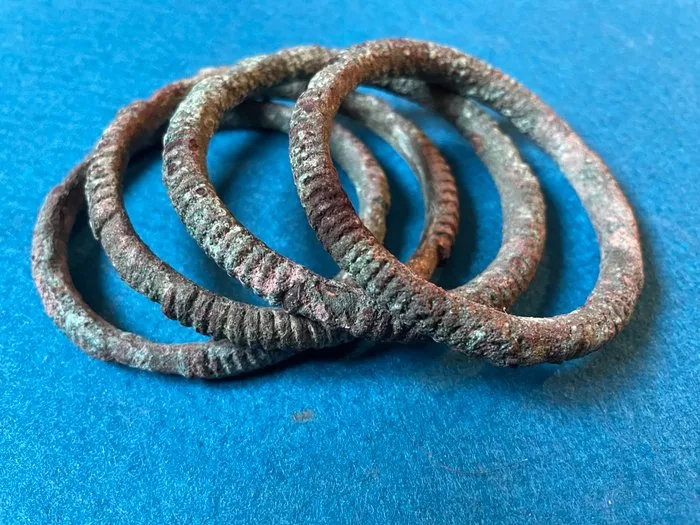
Bangle
What you will find here
Hand-made adornment from cultures where jewellery carries meaning: Rajasthani and Banjara silver from India, coral and turquoise from Tibet and Nepal, Amazigh (Berber) silver from Morocco, Egyptian talisman necklaces, and bronze and brass bracelets from West Africa. Most pieces date from the late 19th to the late 20th century.
What to check
Traditional silver is often below sterling, so the silver content varies; the weight is usually given and is a good guide to how substantial a piece is. Older pieces show wear, small dents and a soft patina from handling, which is normal. Check lengths and bracelet sizes before ordering, and look closely at the photos for missing beads or loose settings.
Frequently asked questions
Is the silver sterling?
Not always. Much traditional silver from India, Nepal, North Africa and Southeast Asia has a lower silver content than sterling (92.5%) and is often called ethnic or tribal silver. Where a piece is hallmarked or tested, the description says so, and the weight gives a good guide to how substantial it is.
Can these pieces be worn?
Most can, with care. Older pieces may have worn clasps or thin links, so check the photos and the description. Clean silver gently with a soft cloth, and keep coral and turquoise away from perfume, water and harsh cleaners.